Short Stories
The 100-Word Discipline: How Extreme Brevity Restores Precision to Fiction
Writing a complete story in one hundred words strips away every comfortable habit. When compression makes omission valuable, what the writer leaves out does the emotional work.
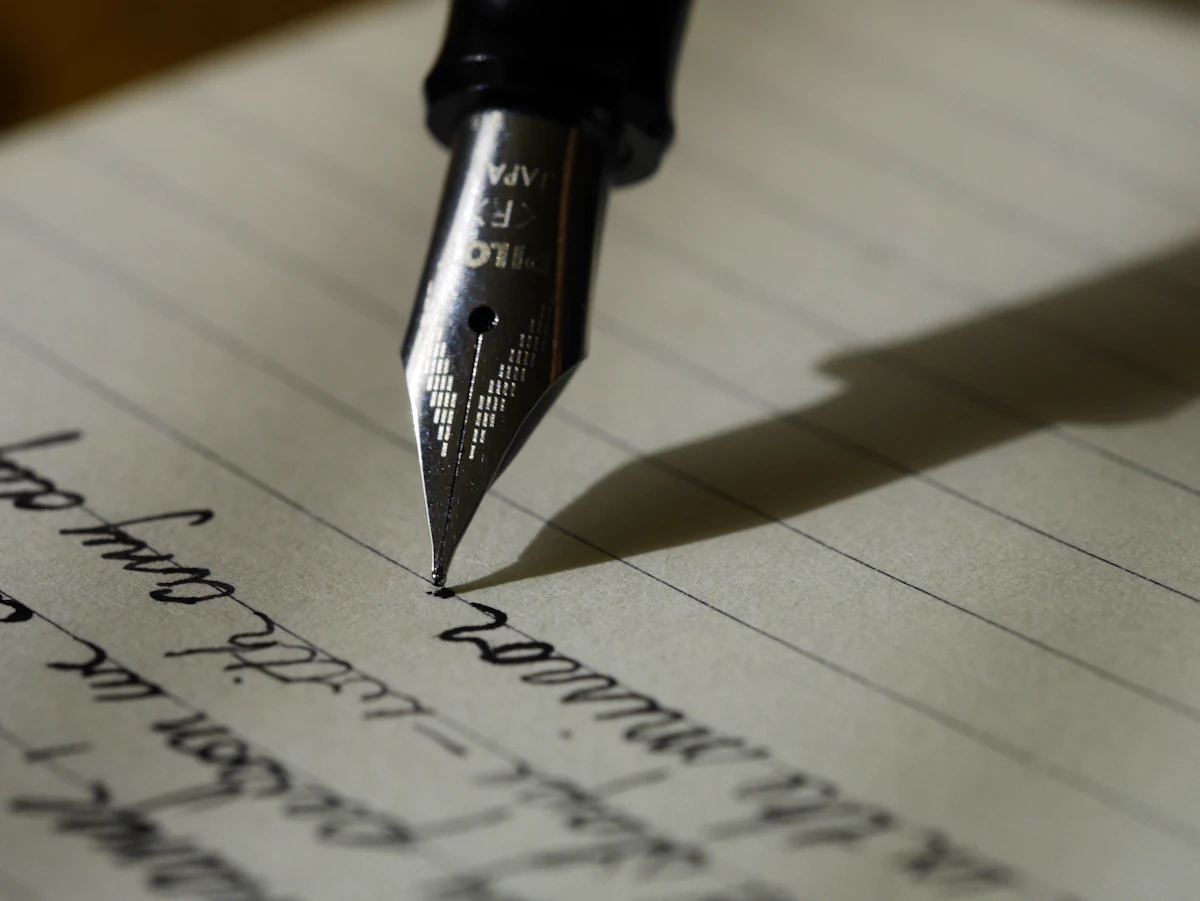
Write a complete story in one hundred words.
Not a scene.
Not an idea.
A story.
Suddenly every comfortable habit becomes expensive.
That atmospheric opening you love? Twelve words.
The paragraph describing the room? Twenty-seven.
The beautifully phrased sentence that does absolutely nothing? You can almost hear the delete key clearing its throat.
That is why micro-fiction is such a useful discipline.
Constraint exposes weak writing
Longer prose gives writers somewhere to hide.
An unnecessary sentence can survive between two good paragraphs.
A redundant adjective barely registers.
A vague opening may eventually wander toward its point.
One hundred words permits almost no camouflage.
Every sentence must perform more than one job.
A detail can establish character and setting simultaneously.
A line of dialogue can reveal the relationship while advancing the plot.
An object can become backstory.
The reader begins doing some of the writing for you.
And that is where micro-fiction becomes interesting.
What you omit becomes part of the story
Imagine this:
Every Sunday, my father ordered two cups of tea.
After he died, the waiter kept bringing both.
You already know far more than those sentences explicitly tell you.
There is history. Routine. Grief. Perhaps guilt.
The writer does not need to explain every layer.
Compression makes implication valuable.
Brevity isn't speed
Short writing is often mistaken for easy writing.
Sometimes the opposite is true.
A thousand-word story permits exploration.
A hundred-word story requires decisions.
What is the actual emotional event?
Which detail carries the largest load?
Where should the reader enter?
At what exact moment should you leave?
Writing shorter forces the author to discover what the story is really about.
Try it
Write exactly one hundred words.
Give somebody a desire.
Put something in their way.
Let something change.
And when you reach 128 words, don't shrink the font.
Cut.
The twenty-eight words you remove may teach you more about writing than the hundred you keep.